Compare Live Mortgage & Home Equity Rates
Compare current APRs, points, fees, and estimated monthly payments from participating lenders below.
Mortgage rates
Refinancing When You've Been Denied Elsewhere
Quick Answer: If you've been denied a refinance, start by requesting your denial letter to understand why. Common reasons include low credit score, high debt-to-income ratio, or insufficient home equity. Use this information to improve your financial profile before reapplying. Avoid applying to multiple lenders immediately, as this can further impact your credit.
Being denied a refinance can feel disheartening, but guess what? It's not the end of the line. This guide will show you exactly how to turn a denial into your ultimate comeback story. If you find yourself asking, "refinance denied what to do," let’s rebuild your path to approval—step by step.
Why Lenders Say No: Understanding Your Denial
You’re working hard, so the last thing you want to hear is, "Application denied." Instead of staying stuck, here’s how to decode the denial and make an action plan:
> "Every 'No' is a step closer to 'Yes'—if you learn from it."
Get the Facts: Request Your Denial Letter
By law (Equal Credit Opportunity Act), lenders must provide a denial letter that explains:- Why you were denied (e.g., credit score, debt-to-income ratio, home equity, income verification issues).
- Your credit score used in the decision.
- How to get your free credit report.
Common Roadblocks to Approval
Here are the most common reasons for a denied refinance application:
- Low Credit Score: Your score didn’t meet the lender’s minimum requirement (this varies by lender).
- High Debt-to-Income (DTI) Ratio: Too much debt compared to your income. Lenders typically prefer a DTI below 43%, though exceptions exist.
- Low Home Equity: If you own less than 20% of your home’s value, lenders may see your application as risky.
- Income or Job Issues: Inconsistent employment or unverifiable income can raise red flags.
Step-by-Step: How to Bounce Back When Denied
If your mortgage refinance was rejected, don’t give up. Here’s a step-by-step guide to improve your chances the next time around:
This is especially relevant for those interested in mortgage refinance rejected.
1 Decode the Denial Letter
The denial letter is your blueprint for improvement. It will highlight the exact issues that led to the decision—whether it’s your credit score, DTI, or another factor. If you’re still unsure about "refinance denied what to do," this letter is a vital resource.2 Pull All Credit Reports
Lenders base decisions on your credit report, so ensure yours is accurate. You’re entitled to one free credit report per year from each of the three major bureaus (Experian, TransUnion, Equifax). TIP: Use AnnualCreditReport.com to access your reports.- Look for errors, such as incorrect late payments or accounts that don’t belong to you.
- Dispute inaccuracies directly with the credit bureaus.
3 Don’t Panic-Apply Elsewhere
It’s tempting to apply to multiple lenders after being denied, but this can hurt your credit score further. Instead, take time to address the issues identified in your denial letter before trying again.If you’re still thinking about "refinance denied what to do," remember that patience can pay off.
WATCH: | Learn how multiple applications impact your score.
Quick Fixes for Common Refinance Obstacles
Problem 1: Low Credit Score
If your credit score is holding you back, here’s how to improve it:
Expert Tip
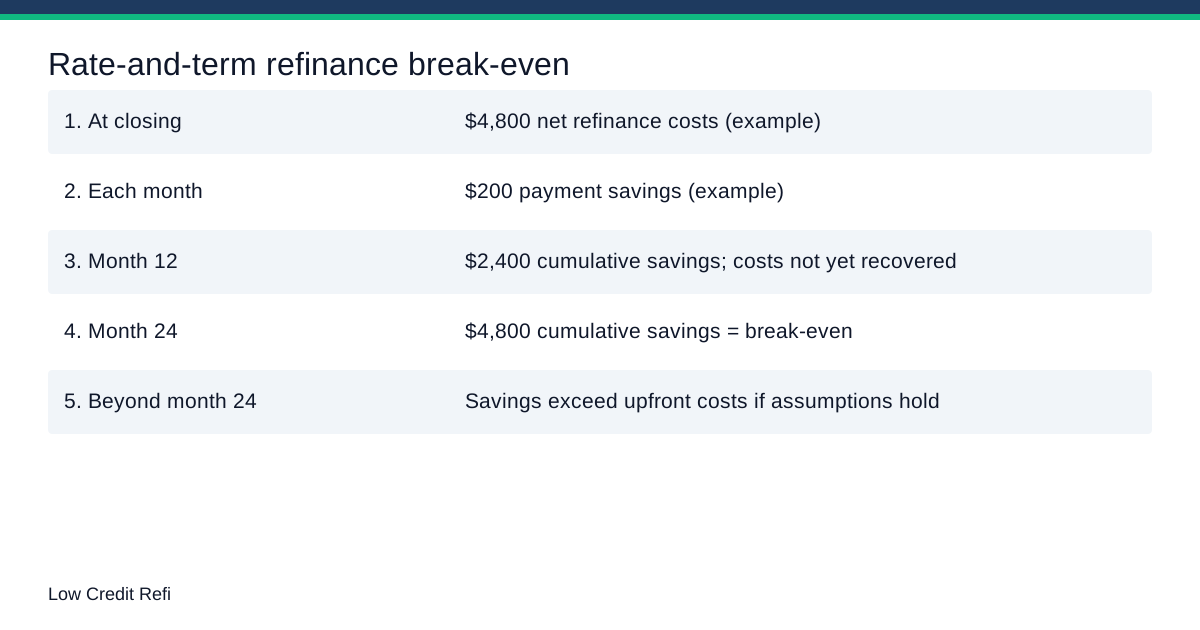
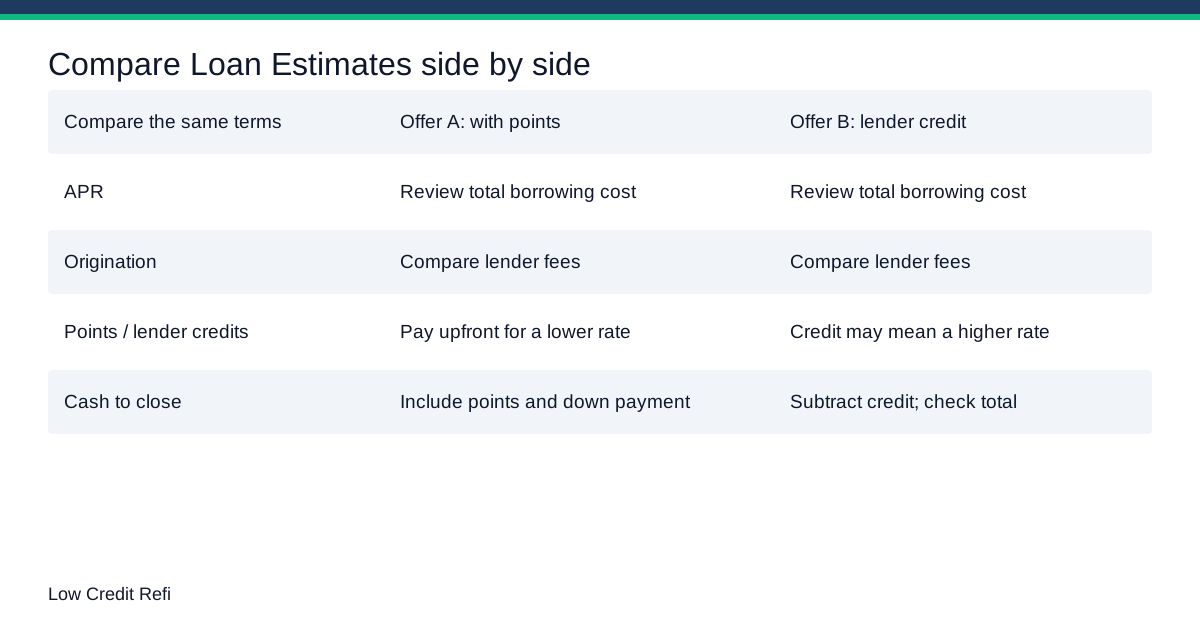
Compare Loan Estimates for the same loan type and term. Include closing costs when calculating whether refinancing saves money.
People looking into why was my refinance denied will find this information valuable.
If You're Close to the Cutoff (e.g., within 20 points of 580-620):
- Pay down credit card balances to lower your credit utilization ratio. This can boost your score within days.
- Dispute errors on your credit report—it’s free and often effective.
- Apply with lenders who specialize in low-credit borrowers.
- Focus on rebuilding your score over 3-6 months by:
- Consider Non-QM lenders (non-qualified mortgage lenders) who approve borrowers with credit scores as low as 500.
Problem 2: High DTI (Debt-to-Income Ratio)
Lenders typically look for a DTI of 43% or lower. Here’s how to lower yours:
- Pay off specific debts, such as credit cards or car loans, to reduce your monthly obligations.
- Partner with a co-borrower who has additional income to improve your DTI.
- Ensure all income sources are documented, including side hustles, bonuses, or rental income.
Problem 3: Low Home Equity
- Make extra mortgage payments to increase your ownership percentage.
- Explore FHA Streamline Refinancing, which often doesn’t require an appraisal.
- If an appraisal undervalues your home, dispute it by submitting updated comparable sales data from your area.
Alternative Paths: Smart Lending Options When Denied
If traditional lenders turned you down, consider these alternatives:
- FHA-Focused Lenders: These lenders specialize in helping borrowers with credit scores as low as 500.
- Credit Unions: Smaller institutions often take a more personalized approach to underwriting.
- Non-QM Lenders: Offer flexible guidelines for borrowers with unique circumstances.
- Portfolio Lenders: These lenders keep loans in-house and can offer more flexible terms.
WATCH: | A deep dive into FHA loans for borrowers with low credit scores.
The Waiting Game: When to Hit Pause
Sometimes, the best move is to wait and improve your financial situation.
Take 3-6 Months To:
- Clean up your credit history (e.g., disputing errors, paying down balances).
- Save a larger down payment to increase equity.
- Pay off big-ticket debts like car loans or credit cards.
- No late payments on any accounts.
- A DTI below 43%.
- A credit score increase of at least 30 points.
When to Ask the Pros for Help
If you’re overwhelmed, consider enlisting professional help:
- Mortgage Brokers: These experts can shop around and find lenders willing to work with your unique circumstances.
- HUD Housing Counselors: Provide free advice on overcoming barriers to refinancing (Find Help Here).
- Credit Counselors: Help you create a plan to improve your credit score and financial health.
WATCH: | Learn what to expect from a credit counseling session.
Share Your Story!
Were you denied and later approved? Help inspire others by sharing your experience in the comments below. Need personalized assistance? Contact our expert advisors to make your case stand out.
Refinancing after being denied isn’t impossible—it’s a challenge you can overcome. By addressing the reasons for your denial, exploring alternative options, and improving your financial profile, you can turn a “no” into a “yes.” So if you find yourself in the position of "refinance denied what to do," take these steps today, and your refinance approval could be closer than you think!
Frequently Asked Questions
What should I do first after a refinance denial?
Request your denial letter from the lender, which explains the specific reasons for denial. Review it carefully to identify issues like credit score, debt-to-income ratio, or income verification. Then, obtain your free credit reports from AnnualCreditReport.com to check for errors and address any inaccuracies.
How can I improve my credit score after a refinance denial?
Focus on paying down credit card balances, making all payments on time, and avoiding new credit inquiries. Dispute any errors on your credit reports. Over time, these steps can help raise your score. Consider a secured credit card or becoming an authorized user on a responsible account.
Can I refinance with a credit score between 580 and 620?
Yes, some lenders offer refinance options for borrowers with credit scores in this range, such as FHA or VA loans. However, you may face higher interest rates or stricter requirements. Improving your score before applying can increase your chances of approval and better terms.
How long should I wait before reapplying for a refinance after denial?
Wait at least 6 to 12 months to give yourself time to address the issues that led to denial. Use this period to improve your credit score, reduce debt, and build a stronger application. Applying too soon may result in another denial and further credit score impact.
Key Takeaways
- Understanding your options for refinance denied what to do is the first step
- Explore related options like denied refinance application
- Explore related options like mortgage refinance rejected
- Getting pre-qualified helps you understand your real options