Compare Live Mortgage & Home Equity Rates
Compare current APRs, points, fees, and estimated monthly payments from participating lenders below.
Home equity rates
Your Hidden Advantage: High Home Equity
Quick Answer: Yes, refinancing with poor credit and high home equity is possible. Lenders view significant equity as a sign of financial stability, which can offset low credit scores. Options include FHA loans, conventional loans with equity over 20%, and non-QM programs. Your equity acts as collateral, improving approval odds and potentially lowering rates.
Refinancing with a low credit score can feel like climbing a mountain—but your home equity is the boost you need to reach the summit! You’ve invested in your home, and lenders see that as reassurance. Let’s flip the narrative on poor credit and turn your equity into YOUR superpower. If you're looking to refinance poor credit high equity, understanding your options is crucial.
Why Lenders Love Equity When lenders review your application, significant home equity stands out like a beacon of financial security:
- Lower Risk: High equity guarantees lenders have strong collateral to rely on.
- Commitment: Large equity ownership shows your investment in the home and your responsibility as a borrower.
- Approval Odds SKYROCKET: Even if your credit is low, equity makes lenders sit up and pay attention. This is especially true for those looking to refinance poor credit high equity situations.
Your Equity Unlocks Refinancing Sweet Spots
Your equity percentage isn’t just a number—it’s your VIP pass to better refinancing options! Take a look at equity tiers and their benefits, particularly for those interested in refinance poor credit high equity opportunities:Less Than 10% Equity
- Limited to FHA or specialized programs.
- Low chances for cash-out refinancing.
- Higher interest rates due to increased lender risk.
10-20% Equity
- FHA loans remain your strongest option.
- Some conventional lenders may consider your application.
- Cash-out options still limited.
20-30% Equity
- FHA and most conventional loans become accessible.
- Interest rates drop in this range.
- Avoid PMI (private mortgage insurance) due to strong equity standing.
30%+ Equity
- Best interest rates available for most programs.
- Extremely high approval odds.
- Attractive to even flexible non-QM lenders.
Equity in Action: A Real-Time Borrower Win Case Study:
- Credit Score: 590.
- Loan Amount: $200,000.
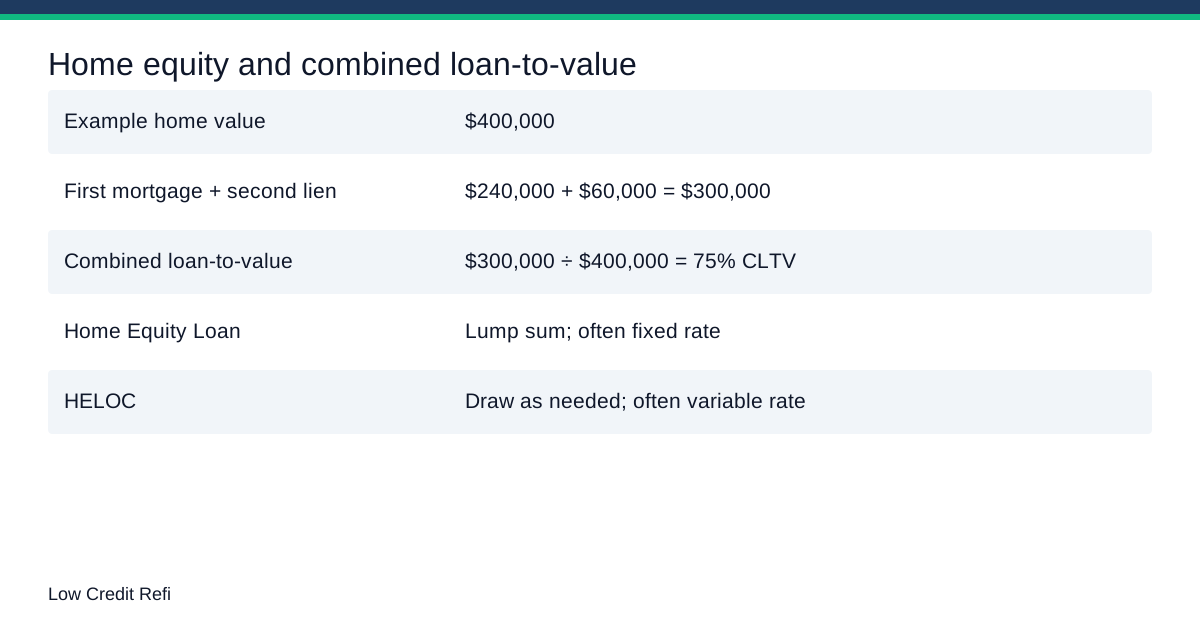
- Home Value: $400,000.
- Equity: 50%.
- “High-risk borrower? Maybe. HUGE equity cushion? Absolutely!”
- Approval Odds: High.
- Rates: Better than expected for credit score 590.
3 Steps To Leverage Your Equity Advantage
Ready to make your equity the star of your refinancing journey? Here’s how, especially if you’re considering refinance poor credit high equity options:1 Know Your Equity Position
- Start with a home valuation estimate—use tools like Zillow or Redfin.
- Compare local sales data or reach out to a real estate professional for insights.
- Consider home improvements that lift your home’s value.
2 Find Programs That Prioritize Equity
Explore these programs:- Conventional Loans: If equity is 20%+.
- Portfolio Loans: Customized, lender-specific terms.
- Non-QM Products: Flexible and equity-friendly for borrowers under 620 credit scores.
3 Stand Out To Lenders
Impress lenders by presenting a detailed snapshot:- Highlight your equity percentage confidently.
- Provide supporting data on valuations and property comparisons.
- Clearly showcase a strong loan-to-value (LTV) ratio—lenders WILL take notice, especially if you’re looking to refinance poor credit high equity.
Recommended Lenders Who Prioritize Equity
Local Portfolio Lenders: Craft special equity-focused refinancing solutions.Credit Unions: Known for building borrower relationships and flexibility.
Non-QM Experts: Perfect for borrowers seeking flexibility over rigid terms.
Embed video strategically within content for added insights:
Cash-Out Refinancing Options for Equity-Rich Borrowers
Need funds for major goals? Tapping into your equity could be the answer, especially for those who wish to refinance poor credit high equity:Advantages:
- Affordable cash flow at competitive rates.
- Higher lender choices due to equity strength.
- Protect your equity buffer—don’t exhaust all available funds.
- Higher equity equals lower interest rates.
- “Always calculate carefully—cash-out refinancing should align with your end goals.”
Take Charge of Your Refinancing!
Here’s what’s next:- Calculate Your Equity: Home value minus loan balance = ready equity!
- Speak to Local Lenders deeply experienced in equity-focused solutions.
- Maximize Your Refinancing Potential with programs perfect for borrowers like YOU, especially if you want to refinance poor credit high equity!
Ready to Get Started?
This is especially relevant for those interested in bad credit high equity refinance.
Get your free, no-obligation quote in minutes.
Frequently Asked Questions
What credit score is needed to refinance with high equity?
While conventional loans often require a 620 minimum, FHA loans accept scores as low as 580. With high equity, some lenders may consider scores below 580 through non-QM programs. Your equity level can compensate for a lower score, but specific requirements vary by lender.
Expert Tip
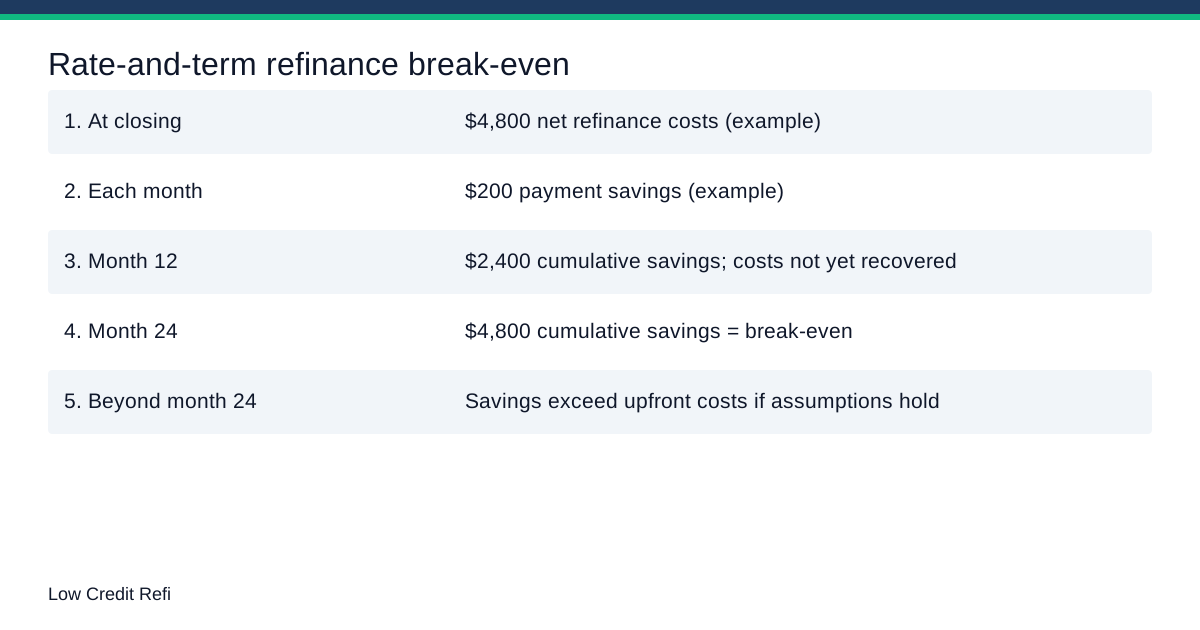
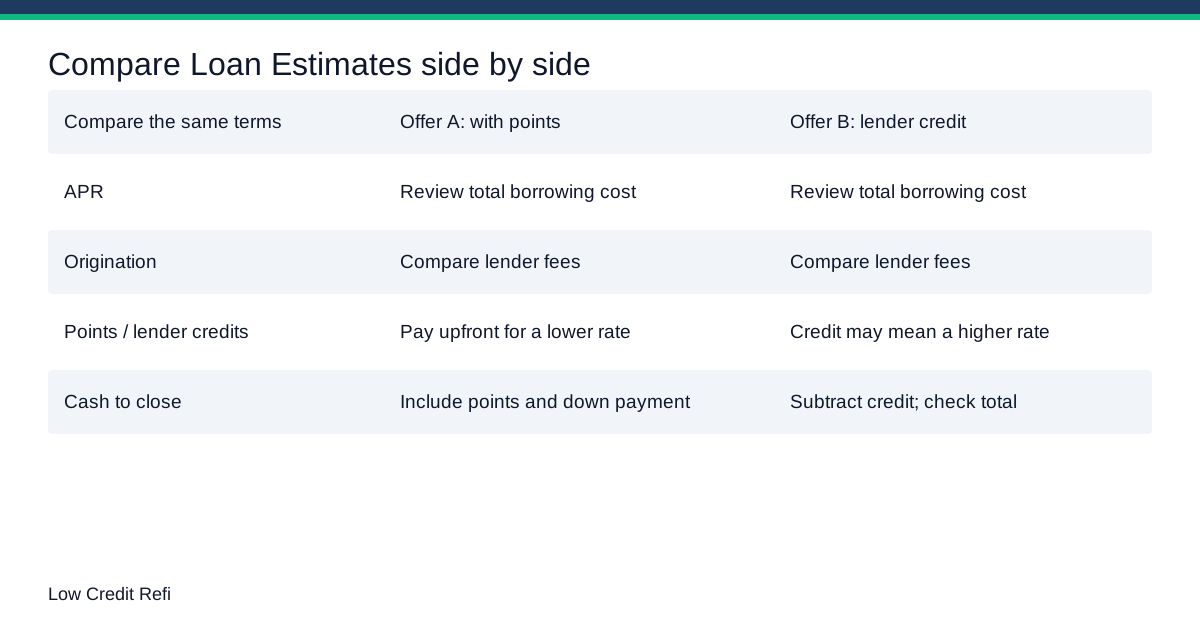
Compare Loan Estimates for the same loan type and term. Include closing costs when calculating whether refinancing saves money.
How much equity do I need to refinance with bad credit?
Generally, 20% equity or more improves your chances. With 30%+ equity, you may qualify for better rates and more programs. Even 10-20% equity can open doors to FHA loans. Higher equity reduces lender risk, making approval more likely despite poor credit.
Can I get cash-out refinancing with poor credit and high equity?
Cash-out refinancing is possible but more restrictive. You typically need at least 20% equity remaining after cash-out. Lenders may require a credit score of 620 or higher for cash-out, but some non-QM lenders offer flexibility if equity is substantial.
What are the best refinance options for borrowers with 580-620 credit scores?
FHA loans are a top choice, accepting scores as low as 580 with 3.5% down. Conventional loans may be available with 620+ scores and 20% equity. Non-QM loans, such as bank statement or asset-based loans, can work for lower scores with high equity. Compare offers from multiple lenders.
Key Takeaways
- Understanding your options for refinance poor credit high equity is the first step
- Explore related options like bad credit high equity refinance
- Explore related options like home equity low credit
- Getting pre-qualified helps you understand your real options


