Compare Live Mortgage & Home Equity Rates
Compare current APRs, points, fees, and estimated monthly payments from participating lenders below.
Mortgage rates
Rewrite Your Financial Story: Drop Your Refinance Rate Today
Quick Answer: To lower your refinance rate with bad credit (scores 580-620), consider buying discount points, reducing your loan-to-value ratio by paying down your mortgage, and shopping around with multiple lenders including FHA-specialized lenders and credit unions. Even small credit score improvements can help secure better rates.
Even with less-than-perfect credit, you deserve a chance to save big! Empower yourself with these proven strategies to lock in a lower refinance rate bad credit option like a savvy insider. Let’s make your financial transformation happen.
(Time investment: 5:38 minutes – gain confidence and clarity!)

Game-Changing Strategies To Lower Your Interest Rate
1. Discount Points: Pay Now, Save Forever
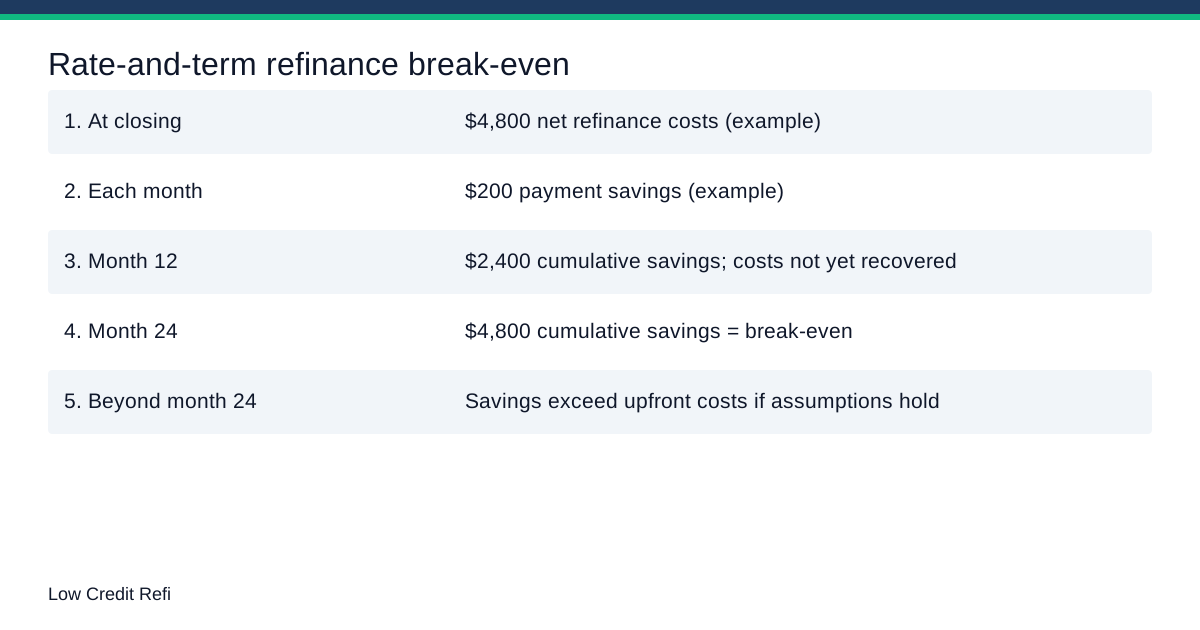
What if spending a little extra upfront could mean saving thousands over the life of your loan? Enter discount points, a refinancing strategy that allows you to “buy down” your interest rate. By paying for points at closing, you can secure a lower refinance rate bad credit scenario and reduce your monthly payments.
Quick Math Made Easy:
- Loan Amount: $300,000
- Cost of 1 Point (1%): $3,000 upfront
- Monthly Savings: ~$45
- Break-even Point: ~5.5 years
2. Boost Equity to Play the Rates Game
Your Loan-to-Value ratio (LTV) is one of the key factors lenders use to determine your refinance rate. The more equity you have in your home, the better your chances of securing a lower refinance rate, even with bad credit.
This is especially relevant for those interested in reduce mortgage rate poor credit.
| LTV Range | What Happens |
|---|---|
| 80%+ | Higher rates |
| 75–80% | Standard rates |
| 60–75% | Discounted rates |
| Below 60% | Best offers (rockstar!) |
Pro Tip: If your LTV is too high, consider using savings or cash from other sources to pay down your mortgage balance. Reducing your LTV could unlock significantly lower refinance rates and help you secure a better rate with a low score.
3. Comparison Shopping = Instant Wins
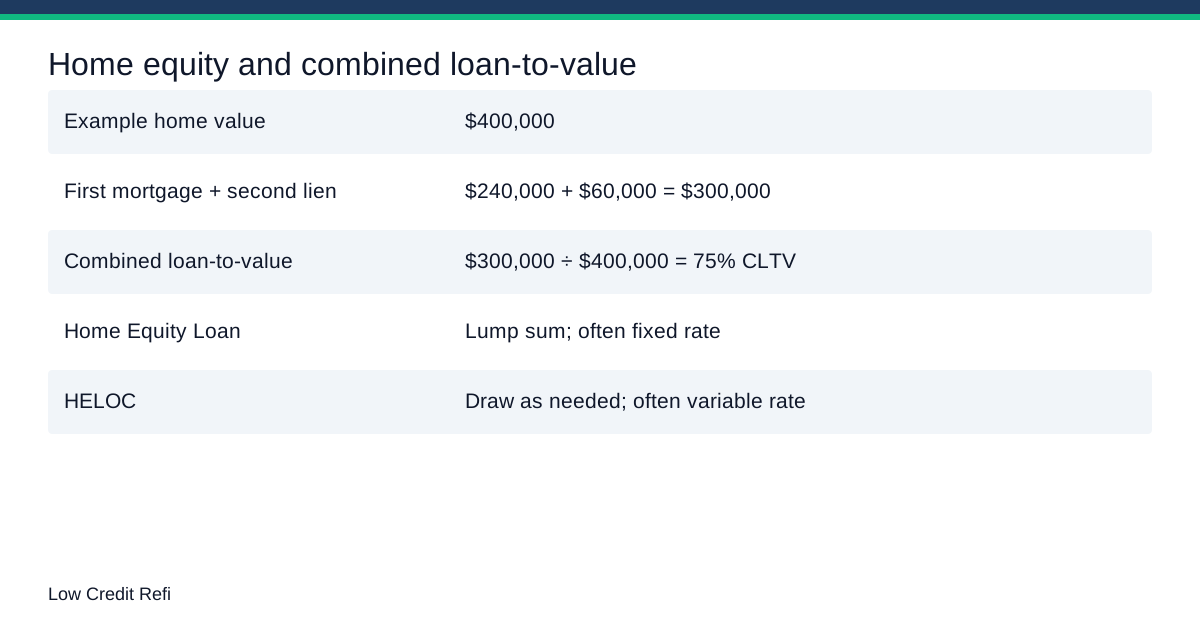
When it comes to refinancing, the best way to lower your refinance rate with bad credit is to shop around. Rates for borrowers with lower credit scores can vary dramatically between lenders. To find the best deal, request quotes from at least 5–7 providers. Include:
- FHA-specialized lenders who cater to borrowers with less-than-perfect credit.
- Local credit unions, which often offer flexible terms and lower fees.
- Online marketplaces designed to help borrowers with bad credit compare multiple offers.
Pre-Approval Power Moves to Lift You Up
4. Rapid Score Boost Playbook
Boosting your credit score by even a small amount can have a huge impact on your refinance rate. Moving your score from the “poor” range (580–619) to “fair” (620–659) can save you hundreds over the life of the loan.
Expert Tip
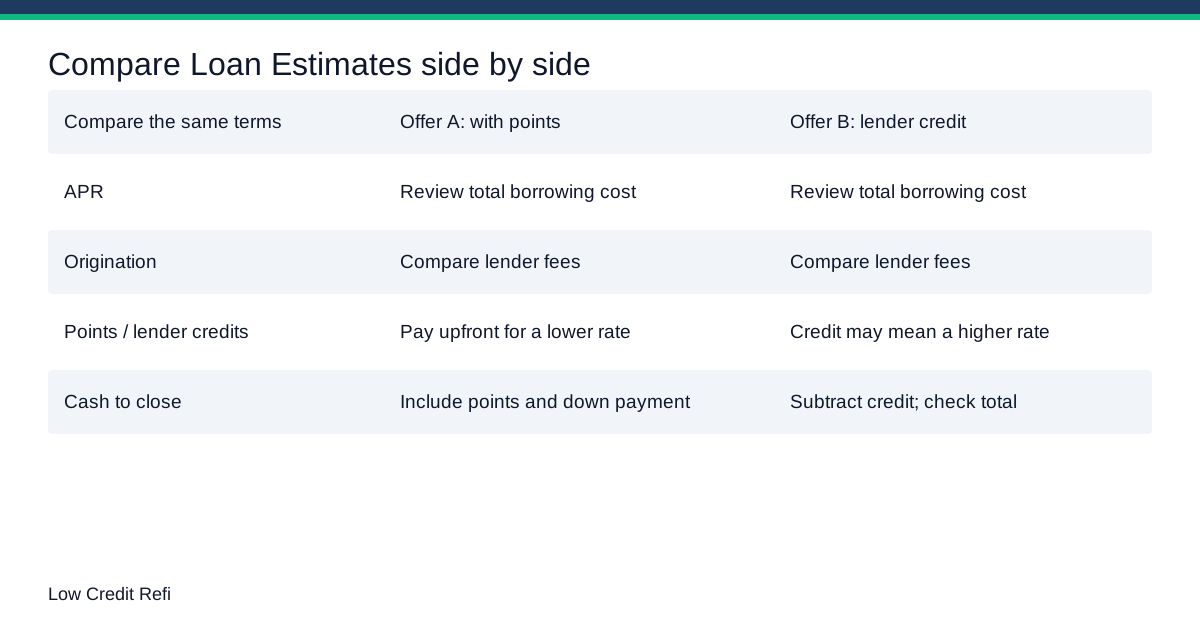
Compare Loan Estimates for the same loan type and term. Include closing costs when calculating whether refinancing saves money.
People looking into better rate low score will find this information valuable.
Tactics to Improve Your Credit Fast:
- Pay down credit card balances: Keep your utilization under 30% of your available credit limit.
- Dispute errors on your credit report: Mistakes can unfairly lower your score.
- Become an authorized user: Ask a trusted friend or family member to add you to their credit card with a strong history.
5. Declutter Your Debt-to-Income Ratio (DTI)
Your DTI ratio plays a key role in determining your refinance rate. Lenders prefer borrowers whose total debt payments (including their mortgage) account for less than 43% of their income.
How to Reduce Your DTI:
- Pay down smaller debts like credit cards or personal loans.
- Add a co-borrower with a stronger credit profile.
- Document alternative income sources like freelance work or side hustles.
Secrets to Refinancing Like a Pro
6. Leverage Competing Offers
Lenders are often willing to negotiate rates, especially if they know you’re considering other providers. Use competing offers as leverage to get the best deal.
Negotiation Script (try this!): “Lender X offered me a rate of 6.75%, but I’d prefer to work with your company. Can you match or beat that rate?”
7. Loyalty = Lower Rates
If you already bank with a lender, ask about loyalty programs. Many institutions offer perks to existing customers, such as:
- Autopay discounts (typically 0.25% off your rate).
- Reduced closing costs or waived origination fees.
- Lower refinance rates for bundled services (e.g., mortgage + checking account).
8. Crush Closing Costs
If a lender can’t reduce the interest rate further, focus on minimizing closing costs. These fees can add up quickly, so don’t be afraid to negotiate:
- Request lender credits.
- Push for reduced or waived origination fees.
- Ask about administrative cost discounts.
Final Flourish: Pick Programs That Work for YOU
Programs like FHA loans are designed with flexibility for borrowers with bad credit. FHA refinancing often allows for lower credit score requirements and higher LTV ratios, making it an excellent choice for those looking to reduce their mortgage rate with poor credit and secure a lower refinance rate bad credit.

Ready to Speak with a Lender? Let’s Go!
Don’t wait. Time is money. Every moment you wait, rates could increase. Take control of your financial future today with these actionable strategies to lower your refinance rate, even with bad credit. Remember, there are ways to achieve a lower refinance rate bad credit. Got questions? Leave a comment or schedule a consultation. Let’s make your refinancing goals a reality!
Frequently Asked Questions
Can I refinance with a credit score between 580 and 620?
Yes, you can refinance with a credit score between 580 and 620, primarily through FHA loans or other government-backed programs. However, you may face higher interest rates and stricter requirements. Shopping around with lenders who specialize in bad credit can improve your chances.
How do discount points lower my refinance rate?
Discount points are upfront fees paid at closing to reduce your interest rate. One point typically costs 1% of the loan amount and can lower the rate by about 0.25%. This strategy works best if you plan to stay in the home long enough to recoup the upfront cost through monthly savings.
What is a good loan-to-value ratio for refinancing with bad credit?
A lower loan-to-value (LTV) ratio improves your chances of getting a better rate. For borrowers with bad credit, an LTV below 80% is ideal, and ratios below 60% may qualify for the best offers. Paying down your mortgage balance can help reduce your LTV.
How many lenders should I compare when refinancing with bad credit?
It's recommended to compare offers from at least 5 to 7 lenders, including FHA-specialized lenders, local credit unions, and online marketplaces. Rates and fees can vary significantly, so shopping around helps you find the most favorable terms for your situation.
Key Takeaways
- Understanding your options for lower refinance rate bad credit is the first step
- Explore related options like reduce mortgage rate poor credit
- Explore related options like better rate low score
- Getting pre-qualified helps you understand your real options

