Compare Live Mortgage & Home Equity Rates
Compare current APRs, points, fees, and estimated monthly payments from participating lenders below.
Mortgage rates
Bankruptcy Isn't the End — FHA Can Help You Bounce Back
Quick Answer: Yes, you can refinance with an FHA loan after bankruptcy. For Chapter 7, the waiting period is 2 years from the discharge date. For Chapter 13, you may refinance after 1 year of timely plan payments with court approval, or immediately after discharge. Rebuilding credit with 2-3 new accounts and on-time payments is essential.
Let’s face it: Bankruptcy feels overwhelming, but it’s not a permanent roadblock to refinancing your mortgage. FHA refinancing programs, including the option for an FHA refinance after bankruptcy, are here to pave the way to your fresh start with their lenient waiting periods and borrower-friendly flexibility. Ready to reclaim your financial future? Let’s dive in!
FHA Waiting Periods by Bankruptcy Type
Chapter 7 Bankruptcy
- Waiting Period: 2 years (from discharge date! That’s key!)
- Not from Filing Date: Focus on discharge date, not initial filing
- Documents You'll Need: Discharge papers, proof of credit re-establishment
Chapter 13 Bankruptcy
- During Bankruptcy: After 1+ years of timely plan payments + court approval
- Post-Discharge: No waiting period — apply immediately for an FHA refinance after bankruptcy
- Court Approval Required: Ensure court or trustee gives written permissions
Chapter 11 Bankruptcy
- Waiting Period: Same as Chapter 7 (2 years from discharge date)
- Documents Needed: Similar paperwork applies
Rebuilding Credit Is Key: FHA Credit Re-establishment Guide
Bankruptcy may reset your financial clock, but rebuilding strong credit is how you unlock better refinancing options. Here’s how:Build Back Better After Bankruptcy
- Open 2-3 new credit accounts — think secured credit cards or credit-builder loans
- Use accounts responsibly for 12 to 24 months
- Showcase a perfect payment history with zero late payments!
Avoid Negative Marks Post-Bankruptcy
- Steer clear of collections, judgments, or late payments
Exceptions for Extenuating Circumstances
Under certain documented issues, FHA may reduce waiting periods to just 1 year. Examples include:- Loss of primary income earner
- Severe illness or injury that affected earning ability
- Other life-altering events (must be verifiable)
- Written proof of the extenuating event
- Evidence proving your recovery
Refinancing DURING Chapter 13 Bankruptcy
No need to wait if you're already in Chapter 13; FHA allows refinancing during active bankruptcy plans.Step-by-Step Process
- Permission First: Obtain approval from your bankruptcy trustee
- Court Sign-Off: Submit a formal request for court approval
- Apply with an FHA Lender: Choose one experienced in bankruptcy cases
- Gather Your Docs: Include trustee letters, payment history, and bankruptcy petition/discharge papers
Benefits of Refinancing During Chapter 13
- Access home equity for renovations or bills
- Consolidate debts into lower interest rates
- Potentially reduce monthly mortgage payments
Kickstart Your Bankruptcy-Friendly FHA Journey:
FHA Refinance Timeline: How Long Will It Take?
Follow this example timeline for Chapter 7 bankruptcy:- Month 0: File bankruptcy
- Month 4: Discharge granted
- Months 5-24: Build & re-establish credit
- Month 24: Waiting period ends Apply for FHA refinance after bankruptcy now!
- Month 27: Refinance finalized, welcoming lower rates
Documents Checklist (Prep This Early!)
Make life simpler during the application process by gathering:- Bankruptcy petition papers
- Proof discharge documents
- Recent post-bankruptcy credit report
- Court schedule showing debts
- Trustee approval letter (for active Chapter 13 refinances)
Pro Tips for Rebuilding Your Credit
Want a faster track to better rates? Strengthen your credit profile:Best Credit-Building Tools
- Secured Credit Cards: Kickstart credit-building with a small deposit
- Credit-Builder Loans: Small, manageable loans meant to improve credit scores
- Authorized User Accounts: Get added to someone else’s good account for a boost
Finding the Right FHA Lender
Not all lenders understand post-bankruptcy borrowers. Here’s who to look for:Trusted Lender Types
- FHA-centric mortgage specialists
- Local credit unions with flexible credit criteria
- Mortgage brokers who shop multiple lenders for the best fit
Ask These Vital Questions:
Ready to Get Started?
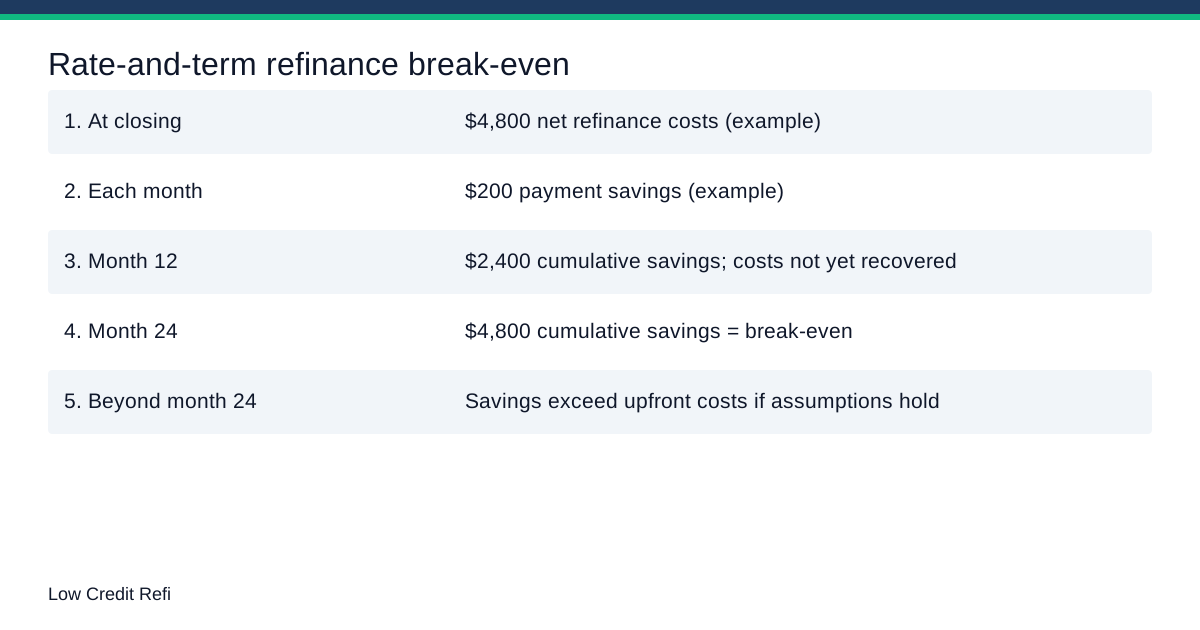
Illustration only: $4,800 net closing costs ÷ $200 monthly savings = 24 months. Compare interest over the full term too. Get your free, no-obligation quote in minutes.
Get Your Free QuoteFrequently Asked Questions
What is the waiting period for an FHA refinance after Chapter 7 bankruptcy?
The waiting period is 2 years from the discharge date of your Chapter 7 bankruptcy. You must also demonstrate responsible credit use, such as opening new accounts and making timely payments, to qualify.
01Compare APR and fees02Review loan terms03Calculate break-even costsCan I refinance with FHA while still in Chapter 13 bankruptcy?
Yes, FHA allows refinancing during an active Chapter 13 plan. You need court and trustee approval, at least 1 year of timely plan payments, and documentation showing you can handle the new mortgage.
This is especially relevant for those interested in bankruptcy waiting period fha.
What documents do I need for an FHA refinance after bankruptcy?
You'll need bankruptcy discharge papers, court approval (if in Chapter 13), proof of credit re-establishment (e.g., new accounts), and evidence of on-time payments for at least 12 months.
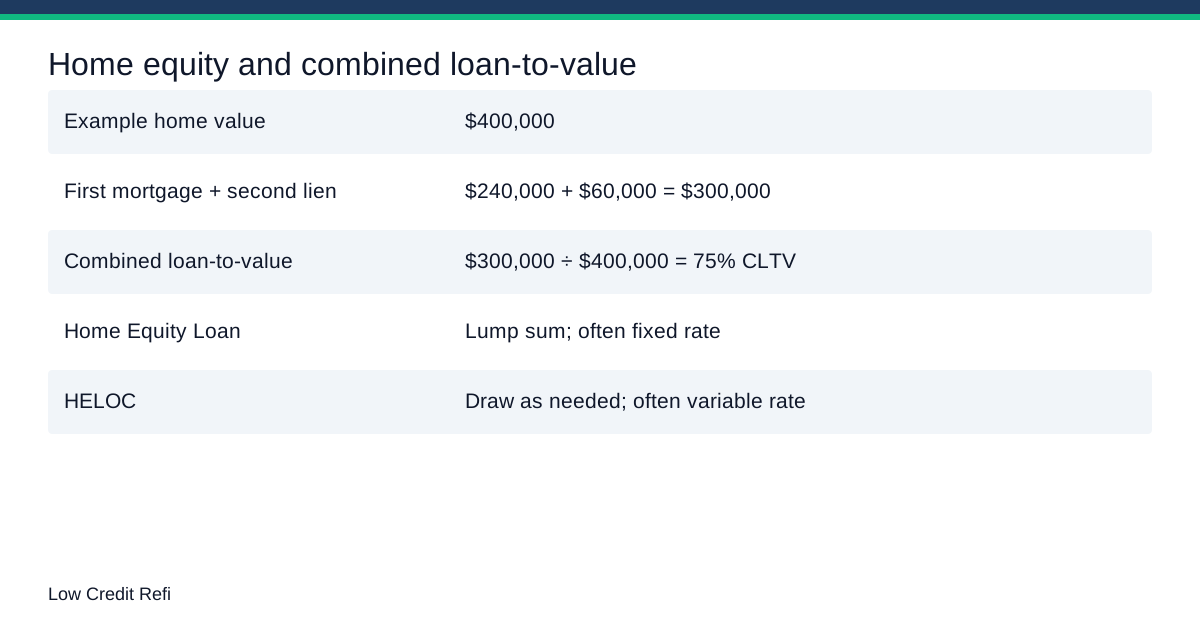
CLTV = (first mortgage + second lien) ÷ home value. Lenders may use the full HELOC credit limit and impose different caps. Are there exceptions to the FHA waiting period after bankruptcy?
Yes, extenuating circumstances like loss of income or severe illness may reduce the waiting period to 1 year. You must provide verifiable documentation of the event and proof of financial recovery.
Expert Tip
Compare Loan Estimates for the same loan type and term. Include closing costs when calculating whether refinancing saves money.
Key Takeaways
- Understanding your options for fha refinance after bankruptcy is the first step
- Explore related options like bankruptcy waiting period fha
- Explore related options like refinance after chapter 7
- Getting pre-qualified helps you understand your real options

