Compare Live Mortgage & Home Equity Rates
Compare current APRs, points, fees, and estimated monthly payments from participating lenders below.
Mortgage rates
Best Time of Year to Refinance Mortgage With Poor Credit
Quick Answer: The best time of year to refinance a mortgage with poor credit (580-620 scores) is typically late winter (January-February) or late summer (August-September), when lender competition and inventory are higher. Refinancing when rates are at least 0.75% below your current rate and after six months of consistent payments can improve approval odds.
If you're wondering about the best time of year to refinance mortgage with poor credit, the answer depends on several strategic factors rather than just calendar dates. Generally, late winter (January-February) and late summer (August-September) offer the most favorable conditions for borrowers with credit scores between 580-620. During these periods, lenders typically have more inventory, increased competition for your business, and may offer more flexible terms. Additionally, refinancing when interest rates dip below your current mortgage rate by at least 0.75-1% makes financial sense even with poor credit. The optimal timing also coincides with periods when you've demonstrated six months of consistent payment history and when your debt-to-income ratio is at its lowest point in your annual cycle. This comprehensive guide will help you identify the precise timing windows that maximize your approval odds and minimize your costs when refinancing with challenged credit.
Understanding Mortgage Refinancing for Borrowers With Lower Credit Scores
Refinancing a mortgage with a credit score in the 580-620 range presents unique challenges but remains entirely possible with the right strategy and timing. Conventional wisdom suggests that only borrowers with excellent credit can refinance, but government-backed programs and specialized lenders have created pathways specifically designed for those rebuilding their financial standing.
The Federal Housing Administration (FHA), Veterans Affairs (VA), and certain portfolio lenders actively serve the poor credit refinancing market. FHA streamline refinance programs accept credit scores as low as 580, while VA Interest Rate Reduction Refinance Loans (IRRRL) often don't even require a credit check for qualifying veterans. Understanding these options is essential before determining your optimal refinancing window.
Your credit score in the 580-620 range typically classifies you as a "subprime" borrower in traditional lending terms, but as a "non-prime" borrower in modern mortgage parlance. This distinction matters because non-prime lending has evolved significantly, with more competitive rates and terms than the predatory subprime products that existed before 2008.
Why Seasonal Timing Matters for Poor Credit Refinancing
The mortgage industry operates with distinct seasonal patterns that directly impact approval rates and terms for borrowers with challenged credit. Understanding these cycles gives you a strategic advantage that can translate into thousands of dollars in savings and improved approval odds.
The Lending Industry's Quarterly Quota System
Mortgage lenders operate on quarterly performance metrics, creating predictable periods when loan officers are more motivated to close deals. The final three weeks of each quarter (especially March, June, September, and December) often see increased flexibility as lenders rush to meet production targets. For borrowers with poor credit, this urgency can translate into approved applications that might have been declined during slower periods.
Competitive Dynamics in January-February
The post-holiday period brings reduced application volume as fewer people are actively house hunting. This slowdown creates opportunity for refinance applicants, particularly those with credit challenges. Lenders maintaining staff and infrastructure during this quieter period actively compete for available business, sometimes loosening credit overlays (additional restrictions beyond minimum requirements) to maintain workflow.
During January and February 2026, lenders are also working with fresh annual lending caps for government-backed programs, meaning they haven't yet exhausted their allocation of higher-risk loans. This fresh capacity makes early-year timing particularly strategic for the best time of year to refinance mortgage with poor credit.
Expert Tip
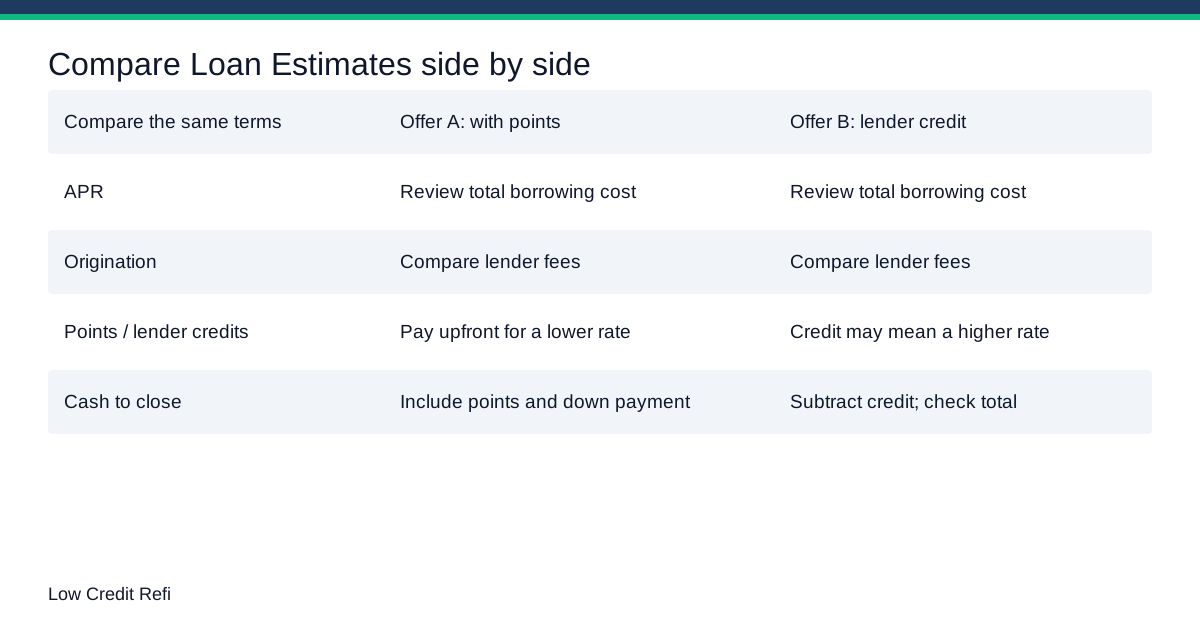
Compare Loan Estimates for the same loan type and term. Include closing costs when calculating whether refinancing saves money.
The Late Summer Advantage
August through mid-September represents another strategic window. Children are back in school, summer vacations conclude, and the spring/summer purchase market slows considerably. Lenders who focused on purchase transactions during the busy season now shift attention to refinance business. This pivot creates competitive pressure that benefits borrowers with lower credit scores.
Critical Financial Milestones to Hit Before Refinancing
Timing isn't only about calendar dates—it's also about reaching specific financial benchmarks that dramatically improve your refinancing prospects regardless of the season.
The Six-Month Payment History Rule
Most lenders require at least six months of on-time mortgage payments before considering a refinance application from borrowers with poor credit. Some programs require twelve months. This means if you've recently missed a payment, your timing calculation should start from establishing a clean payment record rather than seasonal considerations.
Document every payment meticulously during this period. Even a single 30-day late payment within the past twelve months can disqualify you from certain programs or trigger significantly higher interest rates—potentially adding 0.5-1.5% to your rate, which costs approximately $100-$300 monthly on a $200,000 loan.
Debt-to-Income Ratio Optimization Windows
Your debt-to-income (DTI) ratio—the percentage of gross monthly income consumed by debt payments—is scrutinized heavily when you have poor credit. Most programs require DTI below 50%, with better rates available under 43%.
Many households experience predictable DTI fluctuations throughout the year. Tax refunds in February-April can pay down revolving debt, temporarily improving DTI. Year-end bonuses in December-January serve similar purposes. Annual salary increases typically take effect in January or mid-year. Timing your application shortly after these DTI-improving events can make the difference between approval and denial.
Cost Comparison: Refinancing Throughout the Year
Understanding the financial implications of different timing scenarios helps you make data-driven decisions. Here's what borrowers with 580-620 credit scores can expect in 2026:
| Timing Factor | Interest Rate Impact | Closing Cost Range | Monthly Payment on $200K Loan | Break-Even Period |
|---|---|---|---|---|
| Optimal timing (Jan-Feb, Aug-Sep) + rate dip | 6.75% - 7.25% | $4,500 - $7,000 | $1,299 - $1,363 | 18-24 months |
| Non-optimal timing + stable rates | 7.50% - 8.25% | $5,500 - $8,500 | $1,398 - $1,492 | 24-36 months |
| Refinancing during Fed rate increase cycle | 8.00% - 9.00% | $5,000 - $8,000 | $1,468 - $1,609 | 30-42 months |
| Emergency refinancing (foreclosure prevention) | 8.50% - 10.00% | $6,000 - $10,000 | $1,538 - $1,755 | 36-48 months |
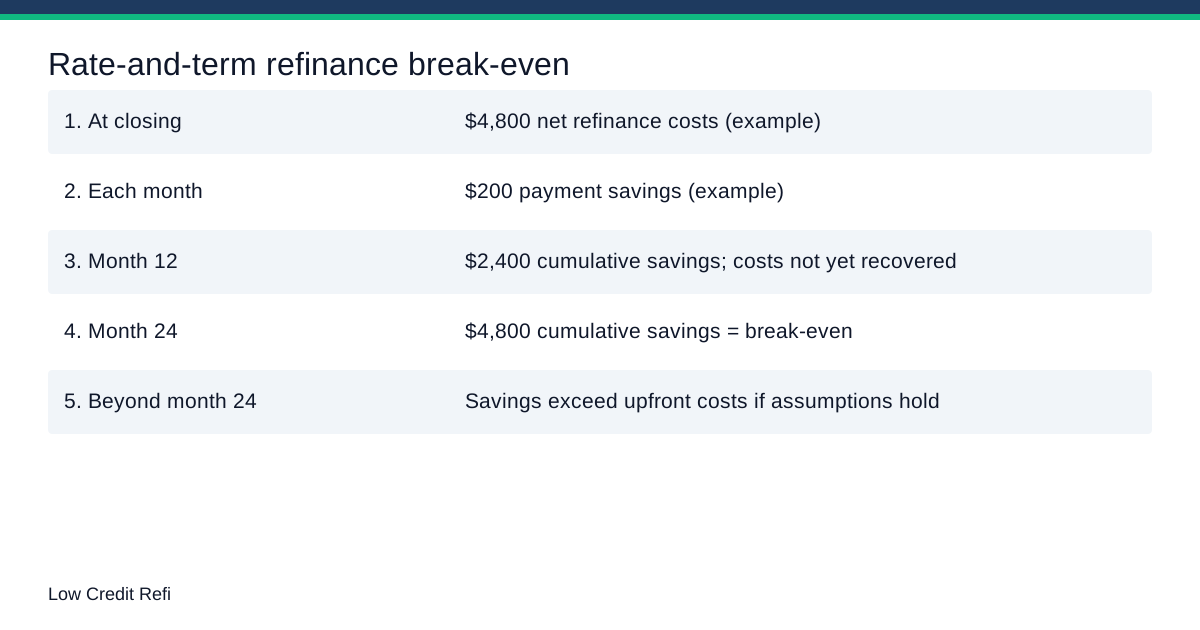
These figures assume a 30-year fixed-rate mortgage with poor credit but stable employment and adequate home equity. Your actual costs will vary based on loan-to-value ratio, property type, and occupancy status.
The Step-by-Step Timeline for Strategic Refinancing
To capitalize on the best time of year to refinance mortgage with poor credit, follow this proven timeline:
- Six Months Before Target Refinance Date: Pull your credit reports from all three bureaus and identify errors. Dispute inaccuracies formally through written documentation. Begin making all payments at least five days before due dates to establish pattern recognition with automated underwriting systems.
- Four Months Before: Contact 5-7 lenders who specialize in non-prime refinancing. Request preliminary qualification assessments. Ask specifically about their credit overlay policies and whether they have seasonal programs. Document who offers the most flexible terms.
- Three Months Before: If applying during optimal late-winter window, start this process in October. If targeting late summer, begin in May. Implement aggressive debt paydown strategies focusing on high-utilization revolving accounts. Reducing credit card balances from 80% utilization to under 30% can increase credit scores by 30-50 points.
- Two Months Before: Gather documentation including two years of tax returns, two months of bank statements, recent pay stubs, homeowner's insurance declarations, and current mortgage statements. Having these ready accelerates the process when you enter your optimal timing window.
- Six Weeks Before: Monitor interest rate trends daily. Sign up for rate alerts from multiple sources. A sudden 0.25% rate drop might justify moving your timeline forward, while rate increases might warrant slight delays if you're borderline qualified.
- One Month Before: Lock in your preferred lender. Submit your complete application during your target window (late January/early February or late August/early September). Request rate lock periods of 45-60 days to protect against increases during processing.
- Application to Closing (30-45 days): Respond immediately to all documentation requests. Do not open new credit accounts, make large purchases, or change jobs during this period. Any credit or employment change can derail approval even days before closing.
Red Flags That Suggest Waiting Despite Favorable Timing
Even during optimal seasonal windows, certain circumstances suggest postponing your refinance application:
Recent Credit Score Drops: If your score has declined 20+ points in the past 60 days, investigate the cause before applying. Recent collections, charge-offs, or increased utilization will trigger additional scrutiny. Waiting 3-4 months while addressing these issues often results in substantially better terms.
Employment Instability: Starting a new job within six months of application typically requires extensive documentation and may result in denial. If a job change is imminent, either refinance before the transition or wait six months afterward to establish stability.
Insufficient Equity: If your home value has declined or you've taken cash-out refinances previously, you may lack the 20-25% equity cushion that makes lenders comfortable with poor credit borrowers. Consider waiting until you've paid down principal or market appreciation restores adequate equity.
Minimal Interest Rate Benefit: Refinancing with poor credit involves substantial closing costs ($4,500-$10,000 in 2026). If your rate reduction is less than 0.75%, the break-even period may exceed five years—too long to justify the expense and effort.
How Federal Reserve Policy Affects Your Timing
The Federal Reserve's monetary policy creates macroeconomic conditions that override seasonal considerations. Understanding these broader cycles is essential for identifying the best time of year to refinance mortgage with poor credit.
When the Fed maintains or lowers the federal funds rate, mortgage rates typically follow downward trends with a 2-4 week lag. These periods create optimal refinancing windows regardless of season. Conversely, when the Fed signals rate increases to combat inflation, mortgage rates rise preemptively.
In 2026, economic forecasters anticipate potential rate cuts in the second and fourth quarters if inflation continues moderating. These anticipated cuts would make summer and late fall particularly strategic for refinancing, potentially overriding the typical seasonal patterns.
Monitor Federal Reserve meeting schedules and statements. Applications submitted 2-3 weeks after announced rate cuts often catch favorable pricing before increased application volume drives rates back up through demand pressure.
Frequently Asked Questions
Yes, but timing requirements are strict. FHA guidelines allow refinancing two years after Chapter 7 bankruptcy discharge or one year into a Chapter 13 repayment plan with demonstrated payment history and court approval. VA loans require similar waiting periods. The key is combining this post-bankruptcy waiting period with optimal seasonal timing—applying in late January two years post-discharge, for example, maximizes your approval odds.
What credit score improvement should I target before refinancing?
Every 20-point credit score increase in the 580-620 range can reduce your interest rate by approximately 0.25-0.50%, saving $30-$100 monthly on a $200,000 mortgage. If you're at 585 and can reach 620 within 3-4 months through debt paydown and error correction, the wait is usually worthwhile. However, if reaching 620 would take over six months, refinancing now at a higher rate may still beat waiting if current rates are rising.
Do I need an appraisal when refinancing with poor credit?
Most refinances require full appraisals, costing $450-$700 in 2026. However, FHA Streamline Refinances and VA IRRRLs often waive this requirement if you're refinancing your existing FHA or VA loan. This appraisal waiver saves money and eliminates the risk of refinance denial due to insufficient home value, making these programs particularly valuable for poor credit borrowers with equity concerns.
How much can I expect to pay in closing costs with a 600 credit score?
Expect closing costs of 2-4% of your loan amount, or $4,500-$10,000 on a $200,000-$250,000 mortgage. This includes origination fees ($1,500-$3,000), title insurance ($1,000-$2,000), appraisal ($450-$700), credit reports ($50-$100), and various processing fees. Some lenders offer "no closing cost" refinances where costs are incorporated into a slightly higher interest rate—usually adding 0.25-0.50% to your rate. This option makes sense if you plan to refinance again within 3-5 years as your credit improves.
Should I use a mortgage broker or apply directly to lenders with poor credit?
Mortgage brokers access multiple lenders simultaneously and often know which ones have the most flexible poor credit policies during specific timeframes. Brokers can be especially valuable for borrowers in the 580-620 range because they understand which lenders are actively seeking this business during particular seasons. However, also submit at least 2-3 direct lender applications to ensure competitive pricing. Multiple credit inquiries within a 45-day shopping period count as a single inquiry for scoring purposes, so comparison shopping won't further damage your credit.
Take the Next Step Toward Better Mortgage Terms
Understanding the best time of year to refinance mortgage with poor credit gives you a strategic advantage, but personalized guidance makes the difference between approval and denial. Every borrower's situation involves unique timing considerations based on credit history, income stability, equity position, and financial goals.
Don't navigate this complex process alone. Our mortgage specialists work exclusively with borrowers in the 580-620 credit range and understand exactly which lenders are offering the most competitive terms right now. We monitor seasonal lending patterns, rate movements, and program availability daily to identify optimal timing windows for your specific situation.
Request your free, no-obligation refinancing consultation today. We'll review your complete financial profile, identify the precise timing that maximizes your approval odds and minimizes your costs, and connect you with lenders actively competing for your business. Our service costs you nothing—we're compensated by lenders only when you successfully close, ensuring our interests align perfectly with yours.
Complete our secure 60-second form or call our specialist team to discover your personalized refinancing timeline and start saving on your mortgage payment within 45-60 days.
Frequently Asked Questions
Can I refinance a mortgage with a credit score of 580?
Yes, borrowers with credit scores as low as 580 may qualify for FHA streamline refinance programs. Some portfolio lenders also offer options for non-prime borrowers. Meeting other requirements like stable income and low debt-to-income ratio is key.
How much lower should interest rates be to refinance with poor credit?
Generally, refinancing makes sense when you can lower your rate by at least 0.75% to 1% to offset closing costs. However, with poor credit, even a smaller reduction may be beneficial if it lowers monthly payments or shortens the loan term.
Does refinancing with poor credit require a home appraisal?
It depends on the loan type. FHA streamline refinances often waive the appraisal if you have sufficient equity. Conventional loans may require an appraisal. Check with your lender about specific requirements for your situation.
What documents do I need to refinance with a 600 credit score?
Typical documents include recent pay stubs, tax returns, bank statements, proof of homeowners insurance, and a valid ID. Lenders may also request a letter explaining any credit issues. Having these ready can speed up the process.
Key Takeaways
- Understanding your options for best time of year to refinance mortgage with poor credit is the first step
- Getting pre-qualified helps you understand your real options